
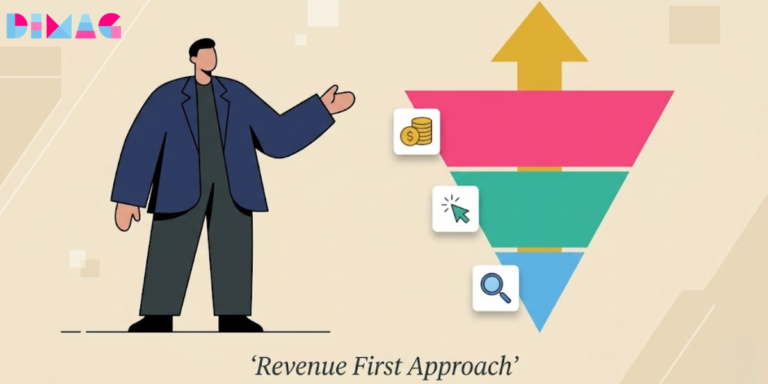
Most SEO services in Bangalore measure success in the wrong currency. Rankings improve. Traffic goes up. Reports look polished. Six months in, the business asks the only question that matters: did this drive revenue? The honest answer is usually no, or maybe, or only marginally.
The failure pattern is consistent across industries. SEO engagements that produce real ROI share a clear operating standard. SEO engagements that consume budget and produce activity share the opposite. Recognizing the difference early saves quarters of wasted investment.
This guide breaks down the three categories of failure that drain budget from SEO services in Bangalore, what a revenue-first approach actually looks like in operating terms, how to diagnose whether the current engagement is building or failing, and the ROAS and ROI metrics that should anchor every monthly review.
Three Categories of SEO Failure in Bangalore
SEO does not fail because the channel is broken. It fails because the execution disconnects work from revenue. Three patterns explain why most SEO services in Bangalore produce activity instead of outcomes.
Failure 1: Vanity Rankings Without Conversion Paths
Most agencies optimize for ranking visibility on keywords that look impressive in reports. Position one for “what is SEO” delivers traffic but no buyers. Position one for “best ERP software in Bangalore for manufacturing” delivers buyers but requires harder content work. The keyword research itself determines whether the engagement will produce revenue or just data points. Agencies that default to high-volume informational queries are building an audience that will never buy.
Failure 2: Content Without Commercial Intent
Publishing volume gets celebrated in monthly reports. Forty articles published, eighty-five percent of the editorial calendar hit, two case studies completed. None of it matters if the content fails to qualify buyers, present commercial offers, or move readers toward a decision. Content engineering for SEO requires the same conversion discipline that landing pages get. Most agencies treat blog content as awareness work and stop there.
Failure 3: Technical Foundations That Cap Growth
Page speed degradation, crawl waste, broken internal links, missing schema, orphaned pages, and indexation issues create a ceiling on every content effort that follows. Agencies that focus on content output while ignoring the technical foundation produce results that plateau within months and never break through. Strong SEO services in Bangalore run continuous technical audits using Google Search Console and address findings inside agreed timelines, not as quarterly side projects.
What a Revenue-First SEO Engagement Actually Looks Like
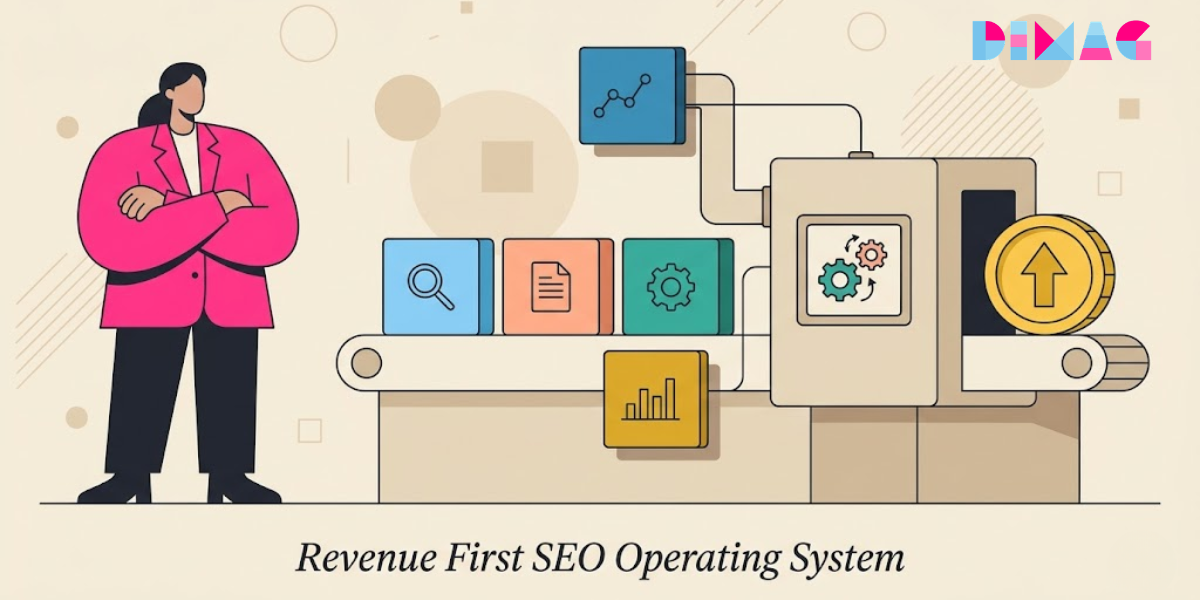
A revenue-first SEO program operates from one principle: every action ties back to pipeline impact. The work looks different. The reporting looks different. The conversations look different.
Buyer Intent as the Starting Point
Before keyword research begins, the agency documents the buyer journey for the specific business: who searches, what they search at each stage, what offer fits each stage, and which keywords represent real commercial intent. This single discipline filters out 60 to 70 percent of the generic keywords that competitor SEO services in Bangalore would have targeted by default.
Content Engineered for Conversion
Every article gets designed for both ranking and conversion. Structured headers improve discoverability. Internal links to commercial pages move readers along. Calls to action match the funnel stage. Trust signals like credentials, results, and named clients appear where they accelerate decision-making. The content stops being awareness fluff and becomes a working pipeline asset.
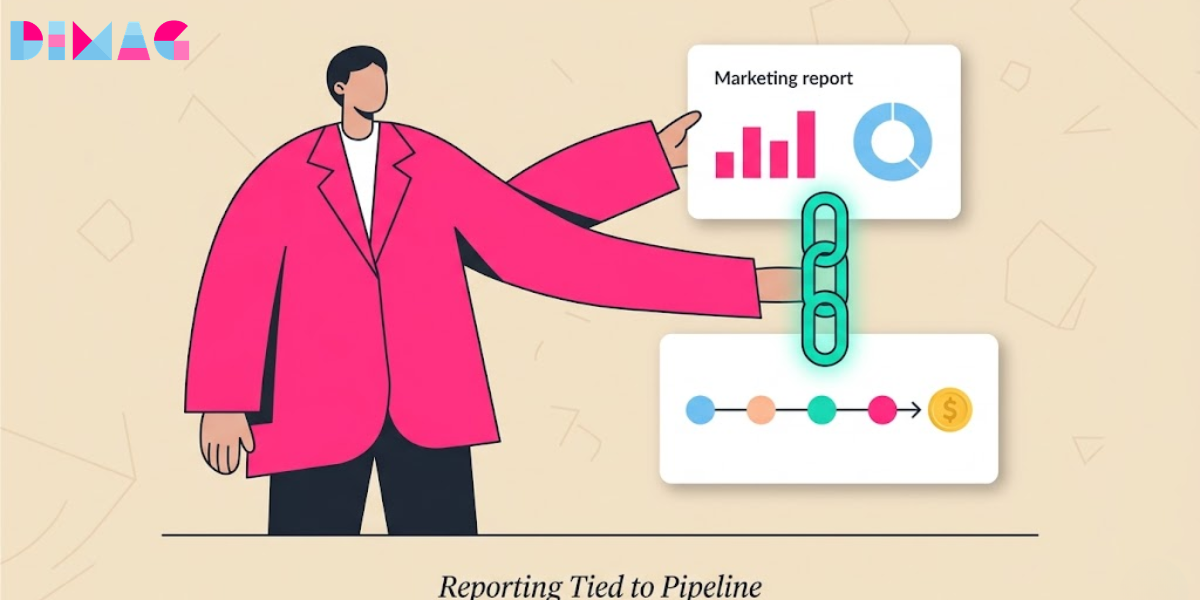
Reporting Tied to Pipeline Contribution
The monthly report leads with revenue attribution, not rankings. Which content pieces influenced closed deals last month? Which landing pages converted organic visitors at the highest rate? Which keywords drove the most qualified pipeline value? Position tracking and traffic graphs become supporting data, not headlines.
How to Diagnose if SEO Services Are Building or Failing
Three diagnostic signals reveal whether the current SEO engagement is producing real value or going through the motions.
Signal 1: Where the Traffic Comes From
Pull the top 20 landing pages by organic traffic. If they are mostly informational blog posts ranking for high-volume but low-intent keywords, the program is generating sessions without buyers. If they include commercial pages, comparison content, and bottom-funnel guides, the program is building a pipeline. The composition of the traffic mix is the most honest diagnostic available.
Signal 2: What the Audit Reports Do Not Say
Strong SEO services in Bangalore deliver audits that connect findings to revenue impact. Weaker operators list issues without context: 47 broken links, 12 redirect chains, 8 pages missing meta descriptions. Numbers without business consequences are noise. If the last audit did not quantify revenue impact for each issue, the agency is operating without a commercial lens.
Signal 3: Whether Sales Has Ever Praised an Organic Lead
Ask the sales team. When organic leads come through, what do they think? Are they qualified? Are they better than paid leads or worse? Sales feedback is the unfiltered truth about content quality and intent alignment. If sales avoids organic leads or describes them as low quality, the SEO program is targeting the wrong audience regardless of what the dashboard shows.
ROAS, ROI, and the Right Metrics for SEO Services in Bangalore
The metrics that determine whether SEO services in Bangalore are working go beyond rankings and traffic. ROAS and ROI translate organic activity into business language that leadership can actually evaluate.
Why ROAS Applies to SEO Even Without Ad Spend
ROAS traditionally measures return on ad spend, but the same framework applies to SEO. The “spend” is the agency retainer plus internal hours invested in implementation. The “return” is the attributed revenue contribution from organic search. Calculating SEO ROAS this way puts SEO performance on the same playing field as paid search and makes channel comparison possible. The same framework that evaluates a PPC company in Bangalore belongs in the SEO conversation too.
Calculating True SEO ROI Across the Funnel
SEO ROI requires attribution discipline. Direct conversions attributed to organic search are the obvious starting point. Multi-touch contribution, where organic content influenced a deal that closed through another channel, is the larger and often overlooked piece. Customer lifetime value from organic-acquired customers, which often runs higher than paid-acquired equivalents, completes the picture. Without this view, SEO ROI looks smaller than it actually is.
Metrics That Mislead vs Metrics That Matter
Average position, total impressions, and total clicks mislead. They move up while business outcomes stay flat. Customer acquisition cost from organic, organic-attributed revenue, pipeline value created, and channel contribution to closed deals matter. The dashboard that mixes both makes leadership think the program is working when it might not be. The dashboard that prioritizes the second set tells the truth.
How to Reset an SEO Engagement That Is Off Track
When the diagnosis confirms the SEO program is producing activity without revenue, three reset actions restore direction without scrapping the entire engagement.
Step 1: Audit Before Action
Stop publishing. Stop link building. Stop optimizing for new keywords. Run a full audit of what has been done so far: keyword targeting accuracy, content commercial fit, technical health, conversion path effectiveness, and reporting alignment with business outcomes. The audit reveals which work to keep, which to repurpose, and which to discard. Acting before auditing repeats the same mistakes faster.
Step 2: Realign Around Buyer Intent
Rebuild the keyword strategy around documented commercial intent. Map each keyword to a buyer journey stage and the offer that matches that stage. Drop keywords that produce traffic without buyers. Add keywords that produce qualified prospects even at lower volume. This realignment often cuts the targeted keyword list by half while doubling the commercial relevance of what remains.
Step 3: Rebuild Tracking Before Rebuilding Content
New content production should wait until pipeline-connected tracking is in place. Integrate CRM data with analytics. Set up content-level conversion tracking. Configure attribution that follows leads from organic touch through to closed revenue. The shift toward AI-driven search makes attribution even more important, as covered in DiMag AI’s deep dive on AEO vs SEO.
How DiMag AI Can Help
DiMag AI rebuilds SEO programs as revenue systems. Every engagement begins with a complete diagnostic audit examining keyword intent fit, content commercial relevance, technical foundation health, and reporting alignment with pipeline outcomes. Programs get restructured so pillar content, supporting articles, internal links, and analytics work together toward measurable ROI and ROAS. Weekly optimization, monthly strategic review, and quarterly authority audits are standard practice.
Frequently Asked Questions
Q1. How can a business tell if its SEO services in Bangalore are actually working?
A. Three signals reveal whether the engagement is working: the composition of the top organic landing pages, the quality of leads sales receives from organic, and the ROAS calculation comparing investment against attributed revenue. If commercial pages are absent, sales avoids the leads, or ROAS is below target, the engagement needs urgent realignment.
Q2. What does revenue-first SEO services in Bangalore actually mean in practice?
A. Revenue-first SEO ties every keyword, content piece, and technical fix to a documented business outcome. The keyword research starts with buyer intent. Content gets engineered for both ranking and conversion. Reporting leads with pipeline contribution, not position tracking. The result is an SEO engagement that competes with paid channels on measurable ROI.
Q3. How long should SEO services in Bangalore take to deliver measurable ROI?
A. Most accounts see first ranking and traffic movements within 90 days. Pipeline contribution and meaningful ROI typically appear between months four and six as commercial keywords mature and conversion tracking captures the work. Sustained compounding ROI requires consistent execution from month seven onward as accumulated authority builds across the domain.
Q4. Can SEO services match the ROAS of paid search?
A. In sustained engagements, organic SEO often delivers superior ROAS to paid search because the spend stays constant while traffic compounds. PPC ROAS resets each month as spend continues. SEO ROAS improves over time as content stops requiring new investment but keeps producing leads. The two channels combined produce stronger blended ROAS than either alone.
Q5. What ROI should businesses expect from SEO services in Bangalore in year one?
A. Year-one ROI depends on starting point, competitive landscape, and execution quality. Programs starting from minimal organic visibility typically reach positive ROI between months six and nine. Established sites can see positive ROI faster. The strongest year-one programs produce two to three times the engagement investment in attributed pipeline value by month twelve.
Q6. How does ROAS apply to SEO when there is no ad spend involved?
A. ROAS in SEO compares the total cost of the engagement, including agency retainer and internal implementation hours, against attributed revenue from organic search. This calculation creates a fair comparison with paid channels and tells leadership whether SEO investment produces returns equivalent to or better than alternative marketing spend.
