
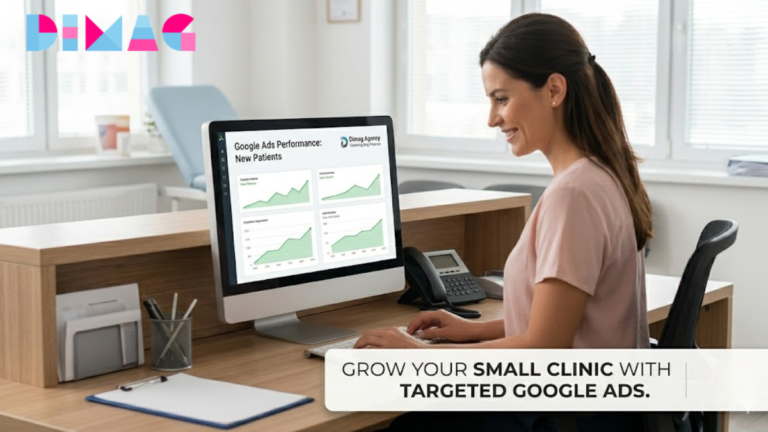
Small healthcare clinics face a persistent challenge: attracting new patients in competitive local markets while managing tight marketing budgets. When potential patients search for healthcare services, they make decisions quickly. If your clinic doesn't appear at the top of search results, you're losing patients to competitors. Google Ads for clinics offers a direct solution, putting your practice in front of people actively searching for the exact services you provide.
Unlike organic SEO that takes months to show results, Google Ads delivers immediate visibility. You can start receiving patient inquiries within hours of launching your first campaign. For small clinics with limited resources, this speed combined with precise targeting makes Google Ads one of the most cost-effective patient acquisition channels available.
This guide walks you through everything you need to know about running successful Google Ads campaigns for your clinic. You'll learn how to structure campaigns, target the right patients, write compelling ad copy, optimize your budget and measure results that matter to your practice growth.
Why Google Ads Works Better Than Traditional Marketing for Clinics
Traditional marketing methods like print ads, billboards or radio spots cast a wide net, reaching many people who don't need your services. You pay for exposure regardless of whether anyone takes action. Google Ads operates on a fundamentally different model: you only pay when someone clicks your ad, and these clicks come from people actively searching for healthcare services.
This intent-based targeting changes the economics of patient acquisition. When someone searches "pediatrician near me accepting new patients" or "urgent care open now," they have immediate healthcare needs. Your ad appears at precisely the moment they're ready to book an appointment. This timing advantage means higher conversion rates and lower acquisition costs compared to interruption-based advertising.
Google Ads also provides complete transparency into performance. You can see exactly how many people viewed your ads, clicked through to your website, called your clinic and booked appointments. This data allows you to calculate patient acquisition costs accurately and optimize campaigns for better returns. Traditional marketing channels rarely offer this level of accountability.
The platform's flexibility suits clinics of all sizes. You can start with a modest daily budget of 500 to 1000 rupees and scale up as you see results. You control when ads appear, which services to promote and which geographic areas to target. This granular control ensures your budget focuses on attracting the patients your clinic needs most.
Setting Up Google Ads Campaigns That Attract Quality Patients
Campaign structure determines whether your Google Ads deliver profitable results or waste money on irrelevant clicks. Start by organizing campaigns around your core service lines. Create separate campaigns for general practice, specialty services, diagnostic procedures or urgent care. This separation allows you to allocate budget based on service profitability and track performance by specialty.
Within each campaign, build tightly themed ad groups focused on specific patient needs. For example, your general practice campaign might include ad groups for annual checkups, sick visits, immunizations and chronic disease management. Each ad group should contain 10 to 20 closely related keywords that reflect how patients actually search for that service.
Geographic targeting deserves special attention for local clinics. Most patients won't travel more than 5 to 10 kilometers for routine healthcare. Set your campaign radius to match your realistic service area. If you notice certain neighborhoods generate more valuable patients, create separate campaigns with adjusted bids for those high-value areas.
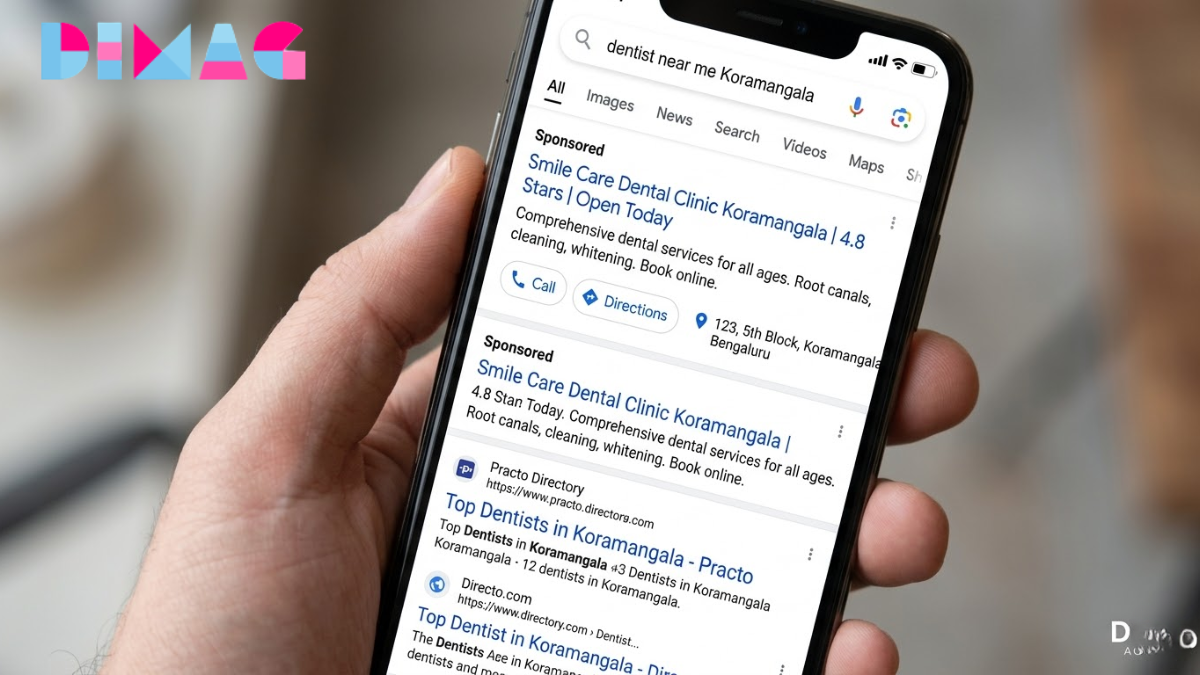
Schedule your ads to run when your clinic can actually respond to inquiries. There's no benefit to generating calls at midnight if patients reach voicemail. Align your ad schedule with reception hours and consider increasing bids during peak search times like early morning and lunch breaks when people research healthcare options.
Choosing the Right Keywords for Clinic Google Ads
Keyword selection makes or breaks your campaign performance. Start with high-intent service keywords that combine your specialty with action words: "book pediatrician appointment," "diabetes doctor consultation," "skin allergy treatment" or "annual health checkup package." These phrases indicate someone ready to engage with healthcare services, not just researching conditions.
Local modifier keywords capture patients in your area. Include your neighborhood, locality or city name with service terms: "dermatologist in Indiranagar," "child specialist Koramangala" or "family doctor near HSR Layout." These geographic qualifiers typically cost less per click than broader terms while delivering higher conversion rates because searchers have clear local intent.
Condition-specific keywords require careful consideration. While "diabetes symptoms" or "chest pain causes" generate high search volume, these informational queries often come from people self-diagnosing rather than booking appointments. Focus instead on treatment and solution keywords like "diabetes management clinic" or "chest pain specialist" that indicate readiness to seek professional care.
Use negative keywords aggressively to prevent wasted spend. Add terms like "free," "home remedies," "medical college," "job" or "course" to your negative keyword list. These exclusions stop your ads from showing to people looking for medical education, employment or DIY solutions rather than professional healthcare services. Review your search terms report weekly and continuously add irrelevant queries to your negative list.
Match type selection balances reach and relevance. Exact match keywords offer the most control but limit volume. Phrase match provides a middle ground, allowing variations while maintaining intent. Broad match modified can discover new patient search patterns but requires careful monitoring. Most successful clinic campaigns rely primarily on phrase and exact match with a small budget allocation for broad match discovery.
Writing Ad Copy That Converts Searchers Into Patients
Your ad copy must accomplish three things simultaneously: confirm you offer what the searcher needs, differentiate your clinic from competitors and motivate immediate action. Start your headline with the exact service searched: "Expert Pediatric Care" or "Same-Day Dermatology Appointments." This immediate relevance increases click-through rates by assuring searchers they've found the right solution.
The second headline should highlight your unique advantage. Perhaps you offer evening appointments, accept all insurance plans, provide online consultations or have specialists with particular credentials. "Open 7 Days a Week," "All Insurance Accepted" or "25+ Years Experience" communicate concrete benefits that influence clinic selection.
Your description lines must address patient concerns and reduce friction. Include your location to confirm convenience, mention your booking process if it's simple and emphasize any factors that build trust. "Experienced team in Whitefield. Book online in 60 seconds or call now. New patients welcome." This copy provides location confirmation, reduces booking anxiety and removes uncertainty about whether you accept new patients.
Call extensions, location extensions and call-out extensions significantly improve ad performance. Call extensions add your phone number directly to the ad, allowing mobile searchers to dial with one tap. Location extensions show your address and distance from the searcher. Call-outs let you highlight additional benefits like "Evening Appointments Available" or "Digital Health Records" without using character-limited description space.
Create multiple ad variations to test different value propositions. One ad might emphasize convenience, another experience, a third insurance acceptance. Google's responsive search ads automatically test combinations to identify which messages resonate with different searchers. Review performance monthly and pause underperforming variations while creating new tests based on winning elements.
Landing Pages That Turn Clicks Into Appointments
Sending ad traffic to your homepage wastes the intent you paid to capture. Create dedicated landing pages for each major service category that match the promise made in your ad. If someone clicks an ad for diabetes management, they should land on a page specifically about your diabetes care services, not a generic homepage where they must search for relevant information.
Your landing page headline must immediately confirm the visitor is in the right place. Use the same language from your ad: "Comprehensive Diabetes Management Care." This consistency reduces bounce rates by eliminating confusion about whether they've reached the right destination.
The page should answer the core questions every potential patient has: What exactly do you treat? Who will provide my care? Where are you located? What does the process look like? How do I book an appointment? Address these questions clearly with specific information rather than vague marketing language.
Include clear, prominent calls-to-action that reduce friction. "Book Appointment" buttons should appear above the fold and repeat throughout the page. Provide multiple contact options: online booking, phone number and contact form. Different patients prefer different communication channels, so offering choices increases conversion rates.
Trust signals significantly impact conversion rates for healthcare services. Display doctor credentials, clinic registrations, association memberships and patient testimonials. Before-and-after photos work well for dermatology or cosmetic procedures. Video introductions from doctors humanize your practice and build connection before the first visit.
Page speed directly affects both Quality Score and conversion rates. Ensure your landing pages load in under three seconds on mobile devices. Compress images, minimize code and use accelerated mobile pages if possible. Google prioritizes fast-loading pages in ad auctions, meaning better speed can reduce your cost per click while improving conversion rates.
Budget Management and Bidding Strategies for Maximum ROI
Start with a test budget sufficient to gather meaningful data. For most local clinic campaigns, 15,000 to 25,000 rupees monthly provides enough volume to identify what works. Divide this budget across campaigns based on service profitability and patient lifetime value. Allocate more to campaigns promoting services with higher margins or that tend to create long-term patient relationships.
Manual CPC bidding gives you complete control during the learning phase. Set initial bids based on how much you can afford to pay for a new patient inquiry. If your average patient generates 5,000 rupees in revenue and 20% of clicks convert to appointments, you can afford up to 1,000 rupees per conversion, suggesting maximum CPC bids around 200 rupees. Start conservative and increase bids for keywords that convert well.
Once you've accumulated 30 to 50 conversions, consider switching to automated bidding strategies. Target CPA bidding tells Google the maximum you'll pay per appointment booking. Maximize conversions focuses on getting the most bookings within your budget. These automated strategies use machine learning to adjust bids based on user signals that indicate conversion likelihood.
Monitor performance at the keyword level, not just campaign level. Some keywords will deliver strong ROI while others consume budget without producing results. Pause keywords that haven't generated conversions after spending 3x your target CPA. Increase bids by 20 to 30% on keywords consistently delivering appointments below your target cost.
Seasonal adjustments improve efficiency throughout the year. Healthcare needs fluctuate by season: flu shots peak before winter, allergy treatments spike in spring, health checkup packages sell well in January. Increase budgets for relevant services during high-demand periods and reduce spending during slow seasons to maximize returns.
Tracking Conversions and Measuring Campaign Success
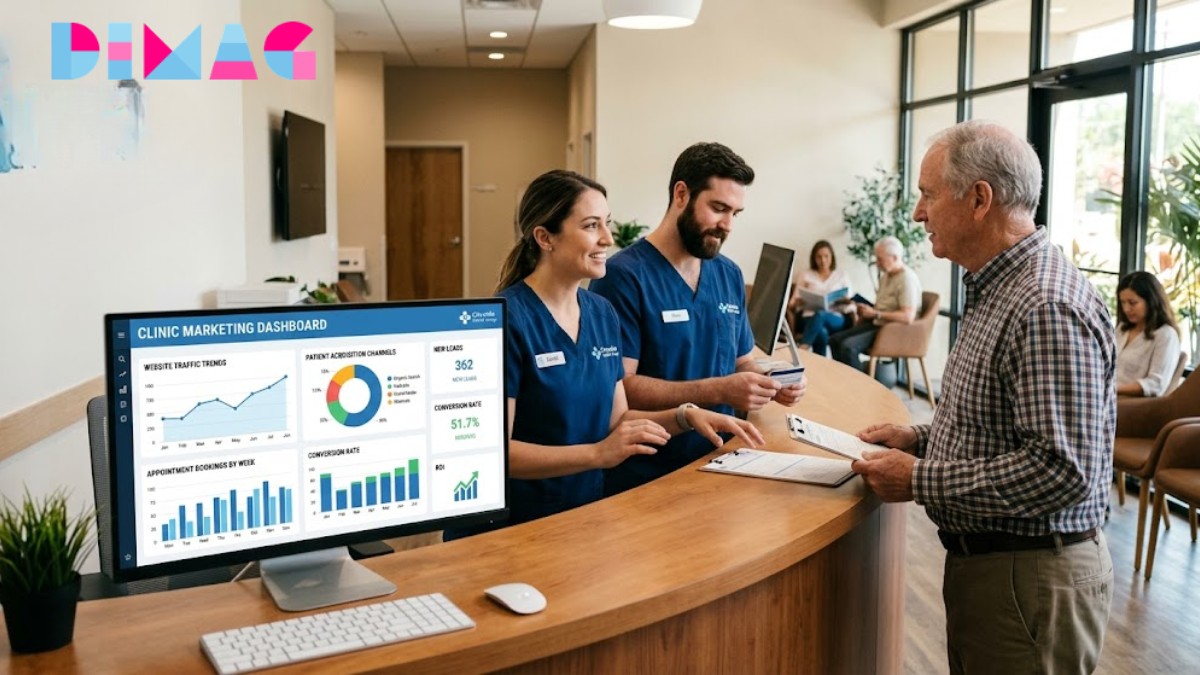
Install proper conversion tracking before spending a single rupee on ads. Set up phone call tracking to record when ads generate calls. Implement form submission tracking for online appointment requests. If you use booking software, integrate it with Google Ads to track completed appointments, not just inquiries. Only actual bookings represent true conversions worth optimizing toward.
Beyond basic appointment tracking, implement value-based conversion tracking if your booking system can pass revenue data. This allows Google's algorithms to optimize for high-value appointments rather than treating a quick consultation the same as a comprehensive procedure. Over time, this optimization attracts more profitable patients.
Attribution windows matter for healthcare decisions. Patients rarely book appointments immediately after first discovering a clinic. They read reviews, check credentials, compare options and discuss with family. Set your conversion window to 30 days for search campaigns to capture this consideration period. A patient who clicks your ad today might book an appointment next week.
Connect Google Ads data with your practice management software to track complete patient value. Calculate lifetime value by service type. You might discover that pediatric patients acquired through Google Ads visit an average of eight times over three years, generating 40,000 rupees total revenue. This insight justifies much higher acquisition costs than surface-level analysis would suggest.
Review your Quality Score regularly for each keyword. This 1 to 10 rating reflects how relevant Google considers your ads and landing pages for each search term. Higher Quality Scores reduce your cost per click and improve ad position. If keywords show Quality Scores below 5, either improve landing page relevance, rewrite ad copy to better match search intent or pause the keyword entirely.
Common Mistakes That Waste Clinic Marketing Budgets
Many clinics make the expensive mistake of targeting overly broad keywords. Bidding on single words like "doctor" or "clinic" attracts unqualified traffic from people researching medical careers, looking for veterinary clinics or seeking services you don't provide. Stick to specific service and specialty keywords that clearly indicate intent to find healthcare providers like you.
Neglecting mobile optimization sabotages campaign performance. Over 70% of local healthcare searches happen on mobile devices. If your landing pages don't load quickly or display properly on phones, or if your booking process requires extensive form-filling, you'll waste most of your ad spend on visitors who bounce before converting. Test your entire patient journey on mobile devices and ruthlessly simplify any friction points.
Running campaigns without call tracking creates a massive blind spot. Many patients, especially older demographics, prefer calling rather than filling out forms. If you can't track which keywords and ads generate phone calls, you're optimizing based on incomplete data. Implement call tracking and call recording to understand which campaigns drive the most phone conversions.
Ignoring negative keywords allows your budget to leak away on irrelevant searches. Review your search terms report every week without fail. You'll discover your "diabetes clinic" ads showed for "diabetes research studies," "diabetes nursing courses" or "diabetes free diet plans." Add these irrelevant terms to your negative keyword list immediately to stop wasting impressions and budget.
Finally, many clinics abandon campaigns too quickly. Google Ads requires a learning period. The algorithm needs time to gather data about which searchers convert and optimize delivery accordingly. Campaigns typically need 30 to 45 days and at least 30 conversions before performance stabilizes. Evaluate results over months, not days, and make incremental improvements rather than dramatic overhauls based on short-term fluctuations.
How DiMag Can Help
At DiMag, we've helped healthcare clinics across India build profitable Google Ads campaigns that consistently fill appointment calendars with quality patients. Our team understands the unique compliance requirements, patient psychology and local market dynamics that determine campaign success in healthcare. We handle complete campaign setup, ongoing optimization, landing page development and conversion tracking integration so you can focus on delivering excellent patient care while we deliver the patients. Our healthcare-focused approach ensures your campaigns not only generate clicks but attract the right patients who become long-term contributors to your practice growth.
Frequently Asked Questions
Q1. How much should a small clinic budget for Google Ads?
A. Start with 15,000 to 30,000 rupees monthly for local campaigns targeting 2 to 3 core services. This budget provides sufficient data to identify what works while remaining manageable for small practices. As you identify profitable keywords and optimize conversion rates, scale budget gradually based on appointment capacity and ROI metrics.
Q2. How quickly can we expect to see new patient appointments from Google Ads?
A. Most clinics receive their first inquiries within 24 to 48 hours of launching campaigns. However, expect a 2 to 4 week learning period before performance stabilizes and Google's algorithms optimize delivery. Consistent new patient flow typically develops after 30 to 45 days of continuous campaign operation and optimization.
Q3. What conversion rate should clinics expect from Google Ads traffic?
A. Well-optimized clinic campaigns typically convert 5% to 12% of clicks into appointment bookings, though rates vary significantly by specialty, competition and booking process friction. Urgent care and immediate-need services convert higher, while elective procedures convert lower. Focus on cost per acquisition rather than conversion rate alone.
Q4. Should we bid on competitor clinic names as keywords?
A. This strategy works in some industries but carries risks in healthcare. Patients searching specific clinic names usually have strong preferences or existing relationships. These clicks rarely convert and may damage your reputation if perceived as misleading. Focus budget on service keywords where you can win patients based on convenience, availability or specialization.
Q5. How do we handle Google Ads for multiple clinic locations?
A. Create separate campaigns for each location to control budgets independently and track performance by branch. Use location-specific ad copy mentioning neighborhood names and create unique landing pages for each clinic. This structure allows you to allocate more budget to locations with capacity while reducing spend for locations at capacity.
Q6. Can Google Ads work for specialized medical services with small patient volumes?
A. Absolutely. Specialized services often face less competition and attract highly qualified searchers. Use very specific long-tail keywords matching your exact specialty. Even if search volume seems low, these niche keywords typically cost less and convert better than generic terms. Set geographic targeting wider if local volume is insufficient, as patients travel farther for specialized care.
